

Greece
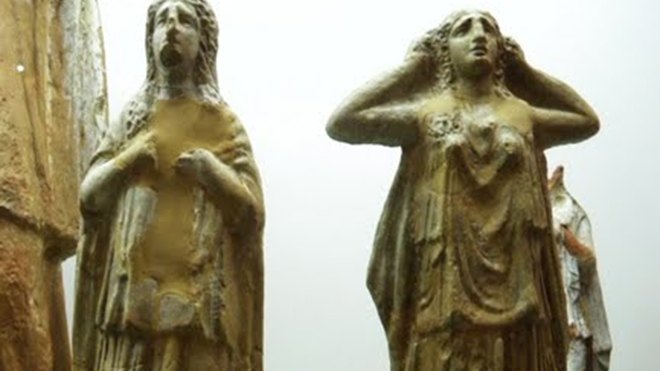
The Museum of European Border Guard Corps of Europe was created from the Folklore Center Academy of Athens in Paleochora Chania.
The Museum of European Border Guard Corps of Europe was created from the Folklore Center Academy of Athens in Paleochora Chania. Opened in July 9, 2006, presence of academic Mr N. Konomi, Helena Arveler, Rector of the University of Europe and the Director of Folklore Center Catherine Polimerou-Kamilaki).
The Museum of European Border Guard Corps of Europe is a European Museum, as well as for the creation of the cooperating scientific and other entities from Greece (mainly the Folklore Center Academy of Athens, the address people’s Culture Ministry of Culture), France (the University of Europe and the University I Sorbonne – Pantheon, Paris), Spain (the Supreme Council Scientific Research in Spain, Madrid, the Institute Philology – Part Byzantine and New Greek Study, Barcelona), Italy (the Greek Institute Byzantine and some studies, Venice) and Bulgaria (University “St Klimis Ohrid” – Part Slavic Philology, ethnology and Byzantine literature, Sofia).
The creation of the museum was the ultimate goal and fruit of ACRINET program, which included conferences, workshops, exhibitions in Greece, in several cities, and in the countries participating in the program.
The July 9, 2006 the new Museum opened the first steps hoping to become a major center education, culture and entertainment for all the island of Crete.
“The European Border Guard Corps Museum of Europe”is intended to present to the European public and emphasize the priceless values of peaceful coexistence in multicultural environment, which is a reality for all citizens.
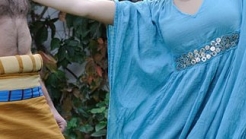
1600 B.C. Spring festival Guests proceed to the theatre of the palace to honour the Great Mother, Goddess Nature. The guide informs the guests about the proceedings. Everybody is excited about what will follow. The high-priestess enters the stage. She is burning incense from aromatic herbs of the
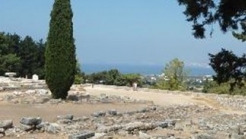
The Asclepium was since the ancient times the most famous monument of Kos. It was located close to the ancient city, and was full of marvelous statues, works of famous artists.
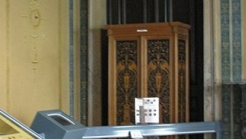
The Numismatic museum has always encouraged, and still does, the creation of new training programmes looking to make to the younger people knoen the importance of museums in society.



GNTO Registry Number: 1039Ε60000070000
Number GE.MI. 118062927000