

Greece
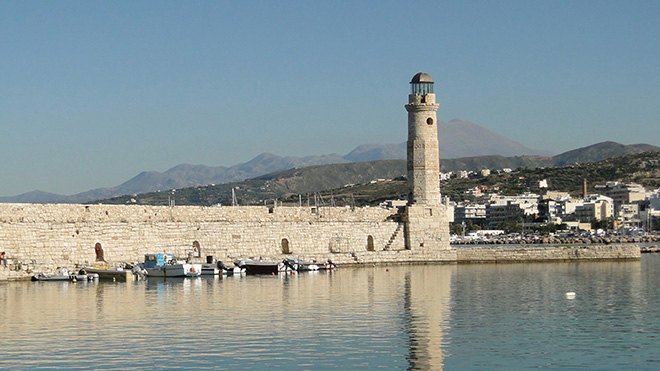
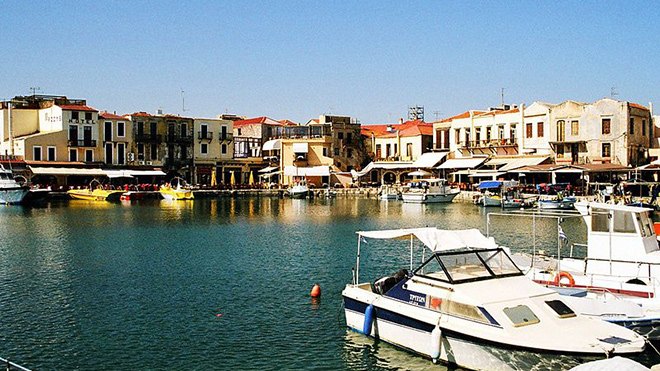
Rethymno is the third-largest city in Crete island. The present city is built at the same location with the ancient Rethymno. Evidence for the existence of the city are from the 5th-4th century BC. The Rethymno washed by two seas, north of the Cretan and south from the Libyan Sea .The current population of count around 32,000 inhabitants.
Rethymno is the third-largest city and is located between the Heraklion and Chania. The present city is built at the same location with the ancient Rethymno. Evidence for the existence of the city are from the 5th-4th century BC. The Rethymno washed by two seas, north of the Cretan and south from the Libyan Sea .The current population of count around 32,000 inhabitants. The economy of the city is based mainly on tourism, As well as a wide range of sandy beaches, great accommodation Assemblies, many attractions, monuments, museums and monasteries. In general, the nomos Rethymnis has strong historical, archaeological and religious interest for holidaymakers.
The aim of the exhibition is not only to provide info on the games in ancient times, but also to initiate the visitor in what the Olympics were.
The National Gallery has in its collections more than 17.000 works of painting, sculpture, engravings and other forms of art, and is the treasury of the recent Greek artistic creativity, covering a timespan from the metabyzantine days up to our days.
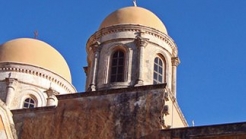
The Monastery of Agia Triada of Τzagkarolon was built in the early 17th century by wanne Ιeremia and Larentio,venetian-cretan family of Τzagkarolon in smaller, property of hieromonk Joachim and Sofianou.



1039 Ε 6061 01515 00